
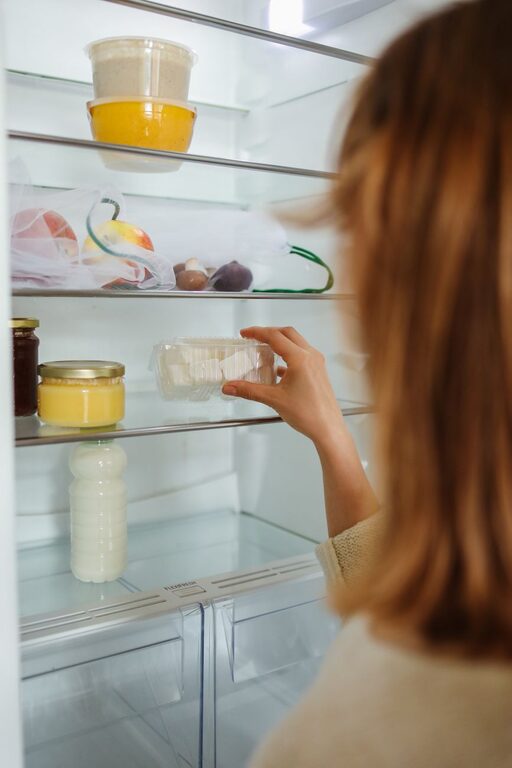
Keeping your fridge and pantry tidy not only makes your kitchen look inviting but also helps you save time, reduce food waste, and maintain food safety. A well-organized space lets you find what you need quickly and keeps everything fresh longer. Whether you’re starting from scratch or just want to improve your kitchen’s order, these practical tips will guide you to a cleaner, more efficient fridge and pantry.
Why Keeping Your Fridge and Pantry Tidy Matters
Before diving into the steps, it’s helpful to understand why organization matters:
– Reduces food waste: When you can see everything you have, you’re less likely to forget food until it spoils.
– Saves money: Avoid buying duplicates because you don’t know what’s on hand.
– Improves food safety: Proper storage prevents cross-contamination and keeps items fresher longer.
– Speeds up meal prep: Find ingredients quickly and simplify cooking.
How to Organize Your Fridge
1. Empty and Clean
Start by taking everything out of your fridge. Check expiration dates and toss spoiled or expired items. Wipe down all surfaces with a mild cleaner or a solution of water and baking soda to remove spills and odors.
2. Group Similar Items Together
Divide your foods into categories such as dairy, meats, condiments, fruits, and vegetables. Use clear bins or containers to keep similar items together. This makes it easier to find what you need and prevents items from getting lost.
3. Use the Right Storage Zones
Your fridge has different temperature zones to keep food fresh:
– Top shelves: Ideal for ready-to-eat foods like leftovers and drinks.
– Middle shelves: Store dairy products and eggs here.
– Bottom shelves: This is the coldest part, perfect for raw meat and fish. Keep these in sealed containers to prevent drips.
– Crisper drawers: Designed for fruits and vegetables; some drawers offer adjustable humidity settings for each.
4. Keep Door Shelves for Condiments
The fridge door is the warmest area, so store condiments, juices, and other less perishable items here. Avoid eggs and milk in the door because they need cooler temperatures.
5. Label and Date Leftovers
Use masking tape or reusable labels to mark leftovers with the date you stored them. This simple step prevents forgotten food and helps you eat items before they spoil.
6. Avoid Overcrowding
Don’t stuff your fridge too full; air circulation is key for even cooling. Leave space between items so cold air can circulate properly, keeping everything fresh.
Tips to Keep Your Pantry Neat and Functional
1. Sort and Purge
Empty your pantry and check all items for expiration dates and signs of pests. Dispose of anything outdated or stale. This refresh sets the stage for better organization.
2. Group Items by Category
Sort pantry goods into groups such as canned foods, baking supplies, snacks, grains, and spices. Keeping like items together helps you see what you have and where to find it.
3. Use Clear Containers and Labels
Transfer loose items like pasta, rice, flour, and sugar into airtight clear containers. This keeps food fresh and visible. Label containers clearly so everyone in the household can find and return items easily.
4. Allocate Zones
Designate specific shelves or sections for each category. For example, place baking ingredients on one shelf and snacks on another. You can also assign a shelf for frequently used items for quick access.
5. Utilize Vertical Space
Make use of stackable bins, tiered shelves, or hanging baskets to maximize space. Door racks or hooks can hold small items like spice jars or packets.
6. Keep a Running Inventory
A simple notepad or a whiteboard on your pantry door can help track staples you’re running low on. This prevents overbuying and ensures you always have essentials on hand.
7. Maintain Regularly
Set a monthly reminder to do a quick tidy-up. Wipe spills, rotate items, and check expiration dates to keep your pantry organized over time.
Extra Tips for Both Fridge and Pantry
– Use baskets and bins: These keep smaller items contained and easy to pull out.
– Rotate older items forward: When restocking, place new items behind older ones to use up what’s on hand first.
– Keep a “snack zone”: Designate a spot for kids’ snacks to make packing lunches easier.
– Store heavy items low: Keep bulky jars and cans on lower shelves for safety.
– Consider temperature needs: Avoid storing heat-sensitive items like chocolate near the fridge light or door.
Final Thoughts
A tidy fridge and pantry not only make your kitchen more enjoyable but also support healthier eating habits and reduce waste. With regular maintenance and simple organizing strategies, you can create a space that works efficiently for your household. Start small, and soon you’ll notice the benefits of a clean, well-organized kitchen!
Happy organizing!
About the Author