
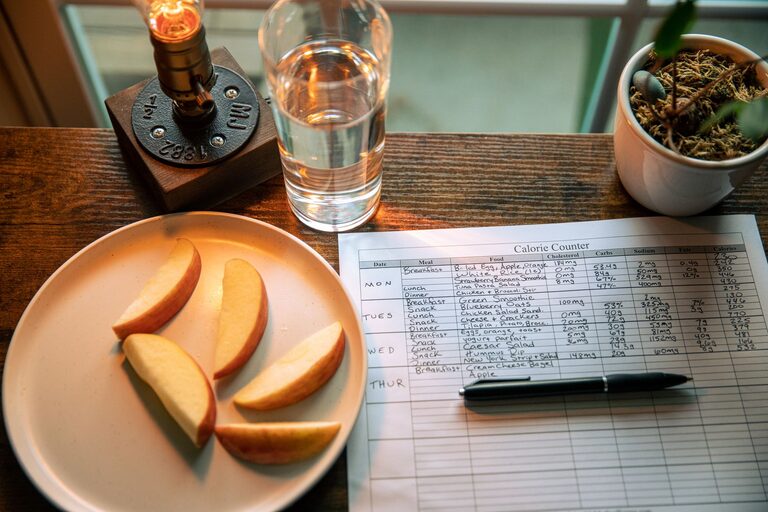
Planning balanced meals doesn’t have to be overwhelming or stressful. With a few simple strategies, you can enjoy nutritious, satisfying meals every day while saving time and reducing mealtime anxiety. Whether you’re cooking for yourself, your family, or others, this guide will help you create balanced meals with ease.
What Is a Balanced Meal?
A balanced meal includes a mix of the essential nutrients your body needs to function well. Typically, this means:
– Protein: Builds and repairs tissues (chicken, fish, beans, tofu)
– Carbohydrates: Provide energy (whole grains, fruits, vegetables)
– Healthy Fats: Support brain health and absorption of vitamins (avocado, nuts, olive oil)
– Fiber: Aids digestion and keeps you full (vegetables, fruits, whole grains)
– Vitamins and Minerals: Support overall health (found in fruits, veggies, dairy)
Why Plan Meals in Advance?
Planning meals ahead of time offers several benefits:
– Saves time during busy weekdays
– Reduces last-minute unhealthy food choices
– Helps control portion sizes and waste
– Eases grocery shopping by creating a clear list
– Encourages variety and balanced nutrition
Step-by-Step Guide to Planning Balanced Meals
1. Assess Your Weekly Schedule
Start by looking at your calendar. Note days when you’ll be busiest or less likely to cook. This helps you decide when to prepare simple meals, batch cook, or use leftovers.
2. Choose Your Meals
Pick 3-4 main meals per week that include a balance of protein, carbs, and veggies. Consider recipes you enjoy and can make quickly. For other days, plan for leftovers or easy meals like salads or sandwiches with added veggies and protein.
3. Create a Grocery List
Based on your meal choices, write down all necessary ingredients. Organize the list by sections of the grocery store (produce, dairy, meat, grains) to save time.
4. Prep Ingredients in Advance
Set aside time once or twice a week to wash and chop vegetables, cook grains or proteins, and portion snacks. Store these in clear containers for easy access.
5. Keep It Flexible
Allow for changes or cravings. If you feel like switching a meal, substitute with similar ingredients to keep balance without extra stress.
Simple Tips to Keep Meals Balanced and Stress-Free
Focus on Portion Sizes
You don’t need to be exact, but aim for a plate divided like this:
– Half with vegetables or fruits
– One-quarter with lean protein
– One-quarter with whole grains or starchy vegetables
Use One-Pot or Sheet Pan Meals
These recipes simplify cooking and cleaning. Combine protein, veggies, and a starch on one sheet pan or pot, season well, and bake or simmer. This reduces preparation time and keeps meals nutrient-rich.
Incorporate Frozen or Canned Ingredients
Frozen vegetables and fruits retain most nutrients and reduce prep time. Canned beans and tomatoes are also convenient and versatile. Just rinse canned items to reduce sodium.
Don’t Skip Snacks
Include healthy snacks between meals to maintain energy. Options like nuts, yogurt, fruit, or cut veggies help keep hunger at bay and support balanced nutrition.
Experiment with Seasonings and Herbs
Good flavors make meals enjoyable and keep you motivated to eat healthy. Try fresh herbs, spices, citrus juice, or garlic to add variety without extra calories.
Sample Balanced Meal Ideas
– Grilled chicken breast, quinoa, and steamed broccoli with lemon
– Black bean tacos with avocado, tomatoes, and shredded lettuce
– Baked salmon, roasted sweet potatoes, and a spinach salad with vinaigrette
– Stir-fry with tofu, mixed bell peppers, snap peas, and brown rice
– Whole grain pasta with marinara sauce, turkey meatballs, and a side salad
When to Seek Help
If you find meal planning too challenging or don’t know where to start, consider these options:
– Consult a registered dietitian for personalized advice
– Use meal planning apps that suggest balanced recipes
– Join a cooking class or group for support and ideas
Conclusion
Planning balanced meals without stress is achievable with thoughtful preparation and simple strategies. Focus on including a variety of nutrients, prepare ahead when possible, and keep your approach flexible. With time, meal planning will become a natural part of your routine that supports your health and enjoyment of food.
Happy meal planning!
About the Author