
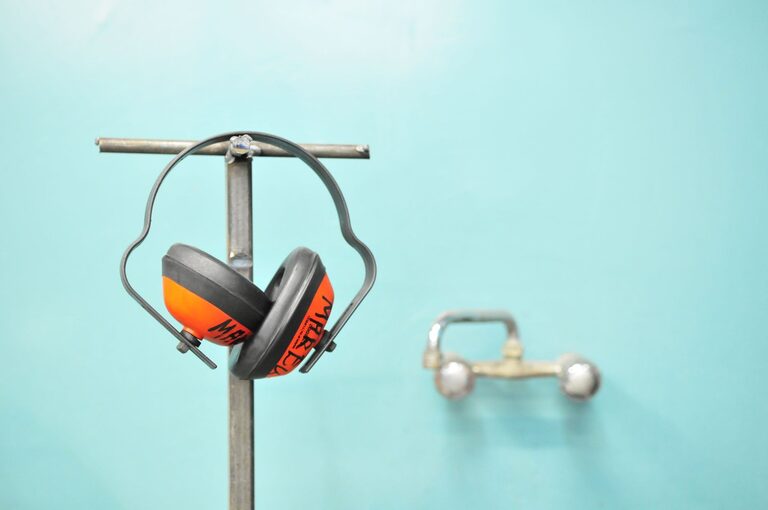
Creating a calm and quiet home environment can greatly improve your comfort and well-being. Whether you’re dealing with noisy neighbors, street sounds, or household noise, there are simple strategies to reduce unwanted noise and make your living space more peaceful. This guide provides practical tips that anyone can implement without a major renovation or expensive materials.
Why Reducing Noise at Home Matters
Too much noise can lead to stress, difficulty concentrating, and disrupted sleep. By minimizing noise, you create a more restful atmosphere that supports relaxation, productivity, and better health. Noise reduction isn’t just about blocking sound completely—it’s about managing noise levels so they don’t interfere with daily life.
Common Sources of Noise in the Home
Before tackling noise problems, it helps to identify the main sources. Some typical noise sources include:
– Traffic and street noise
– Loud neighbors or shared walls
– Household appliances like washing machines and vacuum cleaners
– High foot traffic areas inside the house
– Children or pets
Once you know where noise is coming from, you can apply targeted solutions for the best results.
Practical Ways to Reduce Noise at Home
1. Use Soft Furnishings
Soft materials absorb sound and reduce echo. Consider adding:
– Thick curtains or drapes on windows
– Cushions and upholstered furniture
– Area rugs or carpets on hard flooring
– Fabric wall hangings or tapestries
These items help soften sounds and stop them from bouncing around rooms.
2. Seal Gaps and Cracks
Noise easily enters through gaps around doors and windows. Inspect your home and:
– Install weatherstripping around doors and windows
– Use door sweeps to block gaps under doors
– Apply acoustical sealant on cracks or holes in walls
Sealing these gaps limits the amount of outside noise that gets inside.
3. Rearrange Your Furniture
Heavy furniture can act as a sound barrier. Try:
– Placing bookshelves or large cabinets against shared walls
– Positioning seating areas away from noisy windows or doors
– Using furniture to divide open spaces for better noise absorption
Strategic furniture placement helps muffle sound and redirect it.
4. Add Decorative Soundproofing Panels
If noise is a frequent problem, consider installing sound-absorbing panels made from foam or fabric. These can be:
– Mounted on walls or ceilings
– Hidden behind artwork to keep your decor stylish
– Used in rooms where noise is most problematic, like home offices
Panels reduce echo and absorb noise without major construction.
5. Use White Noise Machines or Fans
Sometimes, masking unwanted noise is the easiest solution. White noise machines create a consistent sound that covers up sudden loud noises. Alternatively, a fan or air purifier can provide a gentle background hum.
6. Maintain Appliances for Quieter Operation
Older or poorly maintained appliances can be noisy. Keep them quiet by:
– Cleaning and servicing regularly
– Checking for loose parts or worn components
– Using appliances during less disruptive times
Silent appliances make a big difference in overall noise levels.
7. Choose Carpets and Rugs Wisely
Hard floors reflect sound, while rugs absorb it. Adding rugs in key areas such as hallways and living rooms helps:
– Reduce footsteps and movement noise
– Soften echoes in large spaces
Look for rugs with dense fibers for the best noise reduction.
8. Install Double-Glazed Windows
If outside noise is a constant issue, double-glazed windows can provide excellent sound insulation. These windows have two layers of glass with a gap in between, which cuts down noise penetration significantly.
Small Changes with Big Impact
Even simple steps like hanging thick curtains or placing a bookshelf strategically can noticeably reduce noise. Try combining several of these ideas to create a layered approach to noise control.
Tips for Maintaining a Quiet Home
– Encourage family members to keep noise levels down, especially during early morning or late-night hours.
– Use rugs and soft furnishings in rooms where you spend the most time.
– Keep doors closed to noisy rooms when possible.
– Regularly inspect and repair gaps around windows and doors.
Conclusion
Reducing noise at home doesn’t have to be complicated or expensive. By making thoughtful changes to your space, you can enjoy a quieter, more peaceful environment that enhances comfort and relaxation. Start with small improvements and see the difference a calmer home can make.
With these tips, you’ll be well on your way to creating a soothing, noise-friendly home that supports your lifestyle.
About the Author